
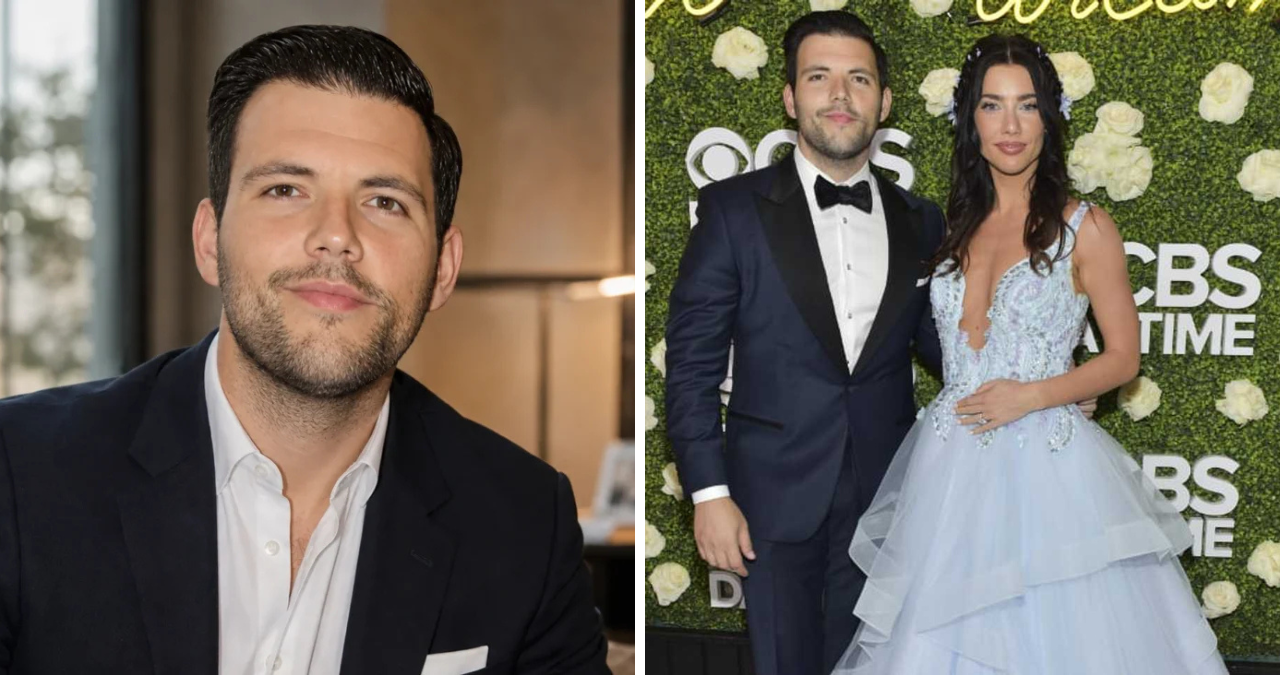
Introduction to Elan Ruspoli and His Industry Presence
In the contemporary entertainment industry, talent representation plays a critical role in shaping the careers of actors, directors, writers, and other creative professionals. Within this complex and highly competitive ecosystem, certain individuals stand out due to their strategic influence, professional networks, and ability to navigate the evolving landscape of Hollywood. One such figure is Elan Ruspoli, a prominent talent agent known for his work within the upper tiers of the entertainment business.
The keyword “Elan Ruspoli” is often associated with Hollywood representation, celebrity management, and the broader mechanisms of talent agencies that guide careers in film and television. Understanding his role provides valuable insight into how modern entertainment operates behind the scenes. While audiences typically focus on actors and directors, professionals like Elan Ruspoli work strategically in the background to negotiate deals, shape career trajectories, and connect creative talent with major studios and production companies.
This article explores his professional journey, industry significance, career impact, and the broader role of talent agents in shaping Hollywood. It also examines how his work reflects the changing nature of entertainment in a digital Elan Ruspoli and globalized era.
Early Career Foundations and Entry into the Entertainment Industry
The path to becoming a successful talent agent in Hollywood is rarely straightforward. It requires a combination of industry knowledge, communication skills, negotiation expertise, and the ability to build long-term relationships with both talent and studio executives. In the case of Elan Ruspoli, his career trajectory reflects the traditional yet highly competitive route into elite talent representation.
Before becoming a recognized name in the industry, he developed a strong foundation in entertainment business operations. This typically includes working in entry-level roles within agencies or production environments, where aspiring agents learn the Elan Ruspoli fundamentals of deal-making, contract negotiation, script development cycles, and talent management strategies. These early experiences are essential in shaping an agent’s ability to understand both the creative and commercial sides of the industry.
What distinguishes successful agents is not only their technical understanding but also their instinct for identifying opportunities. In Hollywood, timing, relationships, and strategic positioning often matter as much as formal credentials. Elan Ruspoli’s rise within the industry reflects a combination of these factors, allowing him to progress into more influential roles within talent representation.
Role and Responsibilities in Talent Representation
To understand the significance of Elan Ruspoli’s work, it is important to understand what a talent agent actually does. In Hollywood, agents serve as intermediaries between creative professionals and the business entities that produce entertainment content. Their responsibilities extend far beyond simply securing auditions or roles.
A talent agent actively negotiates contracts, secures development deals, identifies strategic career opportunities, and advises clients on long-term positioning within the industry. This involves understanding market trends, studio demands, audience behavior, Elan Ruspoli and the evolving platforms where content is distributed, including streaming services and global film markets.
For someone like Elan Ruspoli, working within a major agency environment means engaging with high-profile clients and major entertainment companies. His role involves balancing client expectations with industry realities, ensuring that talent is not only booked for projects but also positioned for sustained career growth. This often includes advising on project selection, aligning talent with the right directors or producers, and identifying scripts that align with a client’s brand and artistic direction.
In addition to deal-making, agents also play a critical role in crisis management and reputation guidance. The entertainment industry is highly visible, and public perception can significantly influence a career. Agents therefore act as both business strategists and protective advisors.
Influence Within Hollywood’s Talent Ecosystem
The Hollywood talent ecosystem is built on interconnected relationships between agencies, studios, streaming platforms, and independent production companies. Within this network, influential agents often shape the direction of film and television projects by packaging talent together or facilitating collaborations that would not otherwise occur.
Elan Ruspoli is recognized within this system for operating at a high level of influence, particularly in relation to film development and client representation within major studios. Agents at this level are often involved in early-stage discussions about projects before they are publicly announced. They may help assemble key creative teams, including directors, actors, and writers, effectively shaping the creative DNA of a production from its earliest stages.
This type of influence extends beyond individual deals. It contributes to broader industry trends, such as the rise of franchise filmmaking, streaming platform competition, and international co-productions. Agents who successfully navigate these trends become essential players in determining what content reaches global audiences.
The modern entertainment landscape is increasingly driven by data, audience analytics, and platform competition. However, personal relationships and trust-based negotiations still remain central. Elan Ruspoli’s role reflects this balance between traditional relationship-driven representation and modern data-informed strategy.
The Importance of Talent Agencies in Modern Entertainment
Talent agencies serve as the backbone of Hollywood’s professional structure. Without them, the process of matching talent with opportunities would be far less organized and significantly less efficient. Agencies provide infrastructure that allows creative professionals to focus on their craft while business negotiations and strategic planning are handled by representatives.
Within this system, agents like Elan Ruspoli operate as key decision-makers. They work closely with casting directors, producers, studio executives, and legal teams to ensure that deals are structured in a way that benefits their clients while also aligning with industry standards.
One of the most important roles of a talent agent is career architecture. This involves planning a client’s trajectory over multiple years rather than focusing solely on individual projects. For example, an agent might position an actor in a supporting role within a major franchise before transitioning them into leading roles in independent films or original streaming content. This type of strategic planning is essential for long-term success in an industry known for volatility.
Navigating the Changing Landscape of Hollywood
The entertainment industry has undergone significant transformation over the past decade. The rise of streaming platforms, digital content distribution, and global audience reach has fundamentally altered how films and television shows are produced and consumed. These changes have also reshaped the role of talent agents.
In the past, traditional studio systems dominated Hollywood. Today, multiple competing platforms are constantly seeking exclusive content and recognizable talent. This shift has increased demand for experienced agents who can negotiate complex deals across multiple distribution channels.
Elan Ruspoli operates within this evolving environment, where flexibility and adaptability are essential. Agents must now consider not only theatrical releases but also streaming rights, international distribution agreements, and digital licensing structures.
Additionally, globalization has expanded the reach of entertainment content. Projects are no longer designed solely for domestic audiences but are instead crafted for international appeal. This has further increased the complexity of talent negotiations, as agents must ensure that their clients are positioned in projects with global potential.
Client Relationships and Professional Strategy
One of the defining characteristics of successful talent agents is their ability to build strong, trust-based relationships with clients. In an industry where careers can rise or fall rapidly, clients rely heavily on their agents for guidance, stability, and strategic direction.
Elan Ruspoli’s work as a talent agent involves managing these relationships with precision and discretion. Clients expect not only career opportunities but also honest advice about long-term positioning. This includes discussing which roles to accept, when to negotiate higher compensation, and how to navigate transitions between different phases of a career.
A strong agent-client relationship is built on communication and mutual understanding. Agents must understand their clients’ artistic goals as well as their financial and professional ambitions. At the same time, they must also be honest about industry realities, including competition, market saturation, and changing audience preferences.
In many cases, agents also serve as mediators between clients and studios. They help resolve contractual disputes, clarify expectations, and ensure that all parties are aligned on project goals. This requires not only negotiation skills but also emotional intelligence and diplomacy.
The Business Side of Talent Representation
Beyond creative guidance, talent representation is fundamentally a business operation. Agents are responsible for negotiating compensation packages, structuring contracts, and ensuring that clients receive fair market value for their work.
This includes base salaries, profit participation, bonuses, and residual structures. Each deal is unique and must be tailored to the specific project, production budget, and client profile. High-level agents like Elan Ruspoli are often involved in multimillion-dollar negotiations where small differences in contract terms can have significant financial implications.
In addition to individual deals, agents also consider long-term financial strategy. This may involve advising clients on production opportunities, endorsement deals, or partnerships that extend beyond traditional acting roles. The goal is to create diversified income streams and sustainable career growth.
The business side of talent representation also involves understanding legal frameworks, union regulations, and international tax implications. Agents must work closely with entertainment lawyers and financial advisors to ensure that contracts are both legally sound and financially advantageous.
Industry Reputation and Professional Standing
Reputation is one of the most valuable assets in Hollywood. For talent agents, credibility determines access to clients, studios, and high-profile projects. A strong reputation is built through consistent deal-making success, ethical representation, and the ability to maintain long-term professional relationships.
Elan Ruspoli is widely recognized within industry circles as a representative working at a high professional level. This type of recognition is not based on public visibility but rather on peer acknowledgment within the entertainment business community.
In Hollywood, much of an agent’s influence is exercised behind the scenes. While actors and directors are the public face of the industry, agents operate in a network of confidential negotiations and strategic planning sessions. Their effectiveness is measured not by public attention but by client success and industry impact.
Challenges Faced by Modern Talent Agents
Despite the prestige associated with talent representation, the profession comes with significant challenges. The entertainment industry is highly competitive, constantly evolving, and subject to economic fluctuations. Agents must continuously adapt to new technologies, shifting audience preferences, and changes in production models.
One of the biggest challenges is managing uncertainty. Projects can be delayed, canceled, or restructured at any stage of development. Agents must navigate these uncertainties while maintaining client confidence and securing alternative opportunities.
Another challenge is balancing client expectations with industry realities. Not every client can be cast in every desired role, and not every negotiation can result in ideal outcomes. Agents must often deliver difficult news while maintaining trust and professionalism.
The rise of digital platforms has also increased competition. More talent is entering the industry from non-traditional backgrounds, including social media influencers and international actors. This expansion has created both opportunities and challenges for established agents.
The Future of Talent Representation
The future of talent representation is likely to be shaped by continued technological innovation and global expansion. Artificial intelligence, streaming analytics, and digital production tools are already influencing how content is developed and distributed.
In this evolving environment, agents like Elan Ruspoli will continue to play a crucial role in bridging the gap between creative talent and commercial opportunity. While technology may streamline certain aspects of deal-making, the importance of human relationships, negotiation expertise, and strategic judgment will remain central.
The demand for global content is expected to grow, increasing the need for agents who can operate across multiple markets and cultural contexts. Talent representation will likely become even more international in scope, requiring deeper understanding of global entertainment ecosystems.
Conclusion
The keyword “Elan Ruspoli” represents more than just an individual name within Hollywood. It reflects the broader structure of talent representation and the essential role agents play in shaping modern entertainment. As a professional operating within one of the industry’s most influential agencies, Elan Ruspoli exemplifies the strategic, relationship-driven, and business-oriented nature of Hollywood representation.
His career highlights the importance of talent agents in guiding creative professionals, negotiating complex deals, and shaping the trajectory of film and television projects. In a rapidly changing entertainment landscape, agents remain essential connectors between artistic vision and commercial execution.
As Hollywood continues to evolve, the role of talent representation will become even more significant. Professionals like Elan Ruspoli will remain central to this ecosystem, ensuring that talent is not only discovered but also strategically developed and positioned for long-term success.
