
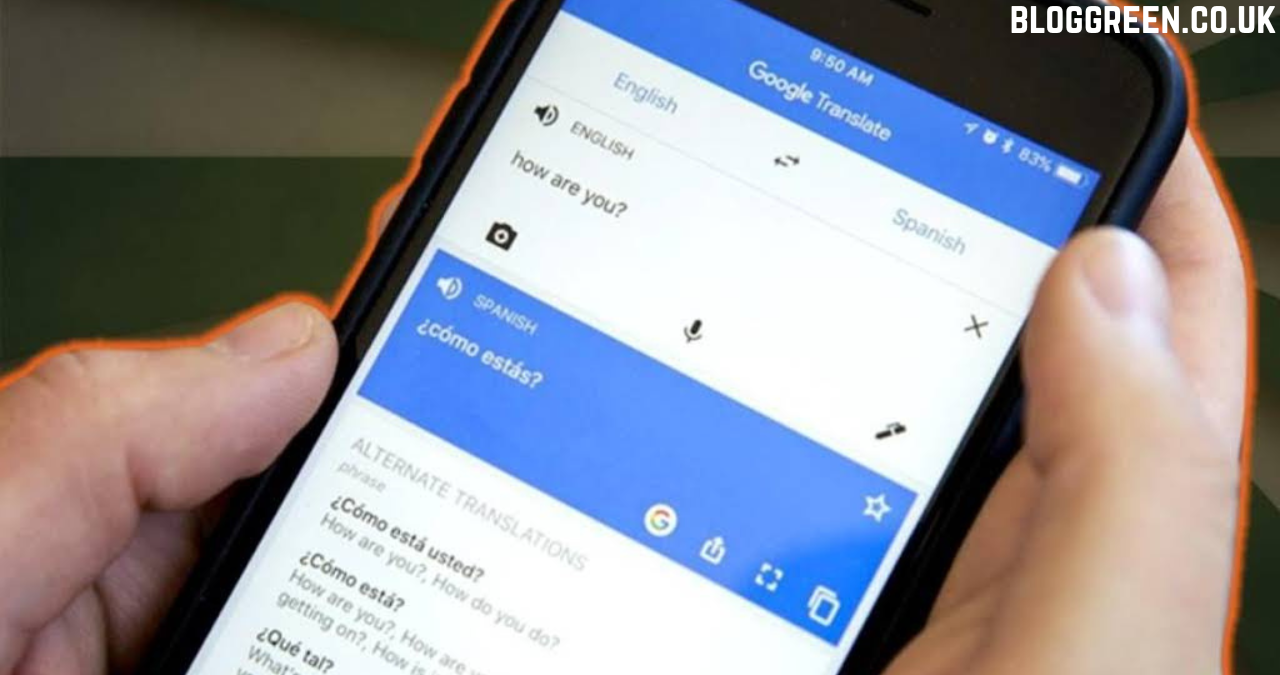
Çevri is a keyword many people connect with the idea of translation, language conversion, and understanding words across different cultures. In the digital world, people often search for fast, simple, and accurate ways to convert text from one language to another. Whether someone wants to understand a message, read foreign content, translate a document, or communicate with someone from another country, çevri represents the growing need for easy language access. It is not just about replacing one word with another; it is about carrying meaning, tone, emotion, and context from one language into another.
In everyday life, çevri has become more important than ever. People travel, study, shop, work, and communicate across borders. A student may need çevri to understand academic material, a business owner may need it to speak with international clients, and a traveler may use it to read signs, menus, or directions. Good translation helps remove confusion and creates a bridge between people who speak different languages. This is why çevri is no longer only a technical language task; it is a practical tool for modern communication.
Why Çevri Matters in Modern Communication
The biggest value of çevri is connection. Language can either open doors or create barriers. When translation is done properly, people can share ideas, emotions, knowledge, and opportunities without being limited by their native language. In business, çevri helps companies reach wider audiences, present products to global customers, and build trust with people from different regions. A poorly translated message can sound careless, confusing, or even offensive, while a well-translated message can feel natural, respectful, and professional.
Çevri also matters because words carry culture. A sentence may be grammatically correct but still sound unnatural if the cultural meaning is missing. For example, jokes, idioms, slogans, emotional phrases, and formal expressions often need more than direct word-for-word translation. They need careful adaptation. This is where quality çevri becomes powerful. It does not simply translate language; it translates intention. It helps the reader feel that the message was written for them, not just converted by a machine.
Types of Çevri People Use Every Day
There are many forms of çevri, and each one serves a different purpose. Text translation is the most common type. It includes translating messages, articles, emails, social media captions, product descriptions, blogs, and website content. This type of çevri is useful for daily communication and online publishing. A clear text translation can make information easier to understand and more accessible to people from different language backgrounds.
Another important form is document çevri. This may include academic papers, legal files, business proposals, certificates, manuals, and official letters. Document translation usually needs more accuracy because even a small mistake can change the meaning. There is also website çevri, which helps brands reach international visitors. For websites, translation must be natural, SEO-friendly, and suitable for the target audience. In addition, audio and video translation are becoming more popular because people consume more content through podcasts, tutorials, reels, and online courses.
Human Çevri vs Machine Çevri
Machine çevri is fast, convenient, and useful for basic understanding. It can help users quickly translate simple words, short messages, and general content. For casual use, machine translation can save time and make communication easier. However, it may struggle with complex sentences, emotional tone, technical subjects, slang, cultural expressions, and industry-specific terms. This is why machine çevri is helpful, but it is not always perfect.
Human çevri brings judgment, emotion, and cultural understanding. A skilled translator can understand the purpose of a message and adjust it according to the audience. For example, a marketing slogan may need to sound persuasive, while a legal document must remain precise and formal. Human translation is especially valuable when quality, tone, and trust matter. The best approach often combines both methods: machine translation for speed and human editing for accuracy, style, and natural flow.
How to Choose the Best Çevri Method
The best çevri method depends on your goal. If you only need to understand the basic meaning of a short sentence, a quick online translation tool may be enough. But if you are translating business content, academic material, product pages, legal documents, or website copy, quality becomes more important. In those cases, the translation should be reviewed carefully to make sure the meaning is correct and the tone sounds natural.
Before choosing a çevri method, think about the audience. Who will read the translated content? Is it for customers, students, officials, tourists, or general readers? Also consider the subject. Technical, medical, legal, and financial content requires more precision than casual conversation. A good çevri process should focus on clarity, context, grammar, tone, and purpose. The final result should not feel like a rough translation; it should feel like original content written in the target language.
SEO Benefits of Quality Çevri
For websites and blogs, çevri can support international SEO. When content is translated properly, it can reach people searching in different languages. This gives businesses, bloggers, and online brands the chance to attract more visitors from different countries. However, SEO translation is not just about translating words. It also includes adapting keywords, headings, meta descriptions, search intent, and local expressions.
A strong çevri strategy can help a website appear more relevant to foreign-language audiences. For example, a keyword that works well in English may not have the same search value in another language. The translator or content creator must understand how people actually search in the target language. This makes SEO çevri a mix of translation, keyword research, content writing, and cultural adaptation. When done well, it can improve visibility, user experience, and audience trust.
Common Mistakes in Çevri
One common mistake in çevri is translating word for word. This often creates unnatural sentences because languages do not always follow the same structure. A phrase that sounds normal in one language may sound strange in another. Good translation focuses on meaning first and wording second. The goal is to make the reader understand the message easily, not to copy the original sentence structure exactly.
Another mistake is ignoring tone. A formal message should remain formal, while a friendly message should feel warm and natural. Some translations lose emotion because they only focus on literal meaning. There can also be mistakes with names, dates, technical words, and cultural references. To avoid these problems, translated content should always be reviewed, especially when it will be published online or used professionally.
Future of Çevri in the Digital Age
The future of çevri is becoming more advanced because technology is improving quickly. Translation tools are becoming faster, smarter, and more accessible. People can now translate text, images, voice, and documents with greater ease than before. This makes global communication more open and convenient. Students, travelers, creators, businesses, and professionals can all benefit from easier language support.
Still, human understanding will remain important. Technology can process words, but humans understand feelings, context, humor, culture, and intention. The future of çevri will likely be a partnership between smart tools and skilled human review. This combination can deliver faster results without losing quality. As the world becomes more connected, çevri will continue to play a major role in education, business, travel, entertainment, and online communication.
Conclusion
Çevri is more than a simple language task. It is a bridge between people, cultures, ideas, and opportunities. In a world where communication happens across borders every day, translation helps people understand one another with more confidence. Whether used for personal messages, business content, websites, documents, or creative projects, quality çevri can make communication clearer and more meaningful.
The best çevri is accurate, natural, and audience-focused. It protects the original message while making it easy for the new reader to understand. For casual use, quick translation tools may be enough, but for professional or public content, careful editing and human review are essential. As digital communication continues to grow, çevri will remain one of the most valuable tools for connecting the world.
FAQs About Çevri
1. What does çevri mean?
Çevri is often searched by people looking for translation or language conversion help. In practical online use, the keyword çevri is commonly connected with translating words, sentences, documents, or content from one language to another.
2. Why is çevri important?
Çevri is important because it helps people communicate across different languages. It supports travel, education, business, online content, and personal communication by making information easier to understand.
3. Is machine çevri always accurate?
Machine çevri can be useful for quick and simple translation, but it is not always fully accurate. It may miss tone, culture, context, or technical meaning, so important content should be reviewed by a human.
4. How can I improve çevri quality?
You can improve çevri quality by focusing on meaning, context, grammar, tone, and audience. Avoid direct word-for-word translation and always review the final text before using it professionally.
5. Can çevri help with SEO?
Yes, çevri can help with SEO when translated content is adapted for the target audience. SEO-friendly çevri includes natural wording, relevant keywords, clear headings, and content that matches local search intent.
