

Introduction
The phrase mary nightingale illness has gained attention online as viewers search for clarity about the health of the well-known ITV news presenter. Mary Nightingale has been a familiar and trusted face on British television for many years, which naturally leads audiences to notice even small changes in her appearance or broadcasting schedule. As a result, searches such as mary nightingale illness often appear when viewers become concerned after brief absences or rumors circulating online.
In most cases, however, these searches are driven more by curiosity than confirmed information. The internet often amplifies minor observations into larger discussions, and the keyword mary nightingale illness tends to trend without any official confirmation behind it. This makes it important to separate verified facts from speculation and understand why such topics gain attention in the first place.
Who Is Mary Nightingale?
Mary Nightingale is one of the most respected television news presenters in the United Kingdom. With a long career in journalism, she has become a familiar and reassuring presence on ITV News. Many people associate her calm delivery and professional reporting style with major national and international news coverage.
Because of her long-standing presence on television, any mention or rumor such as mary nightingale illness quickly attracts attention from viewers. Audiences often develop a sense of familiarity with news presenters, which can lead to concern when they are not seen regularly on screen. This emotional connection plays a major role in why such search terms emerge.
Over the years, she has covered important events and built a reputation for accuracy and professionalism. This strong public image also contributes to why discussions around mary nightingale illness spread quickly, even when there is no confirmed update about her health.
Why Are People Searching for “Mary Nightingale Illness”?
One of the main reasons the term mary nightingale illness trends online is due to audience curiosity when familiar television figures are temporarily absent. Even short breaks from broadcasting can lead viewers to wonder if something is wrong, prompting online searches for answers.
Social media also plays a major role in spreading speculation. A single post or comment suggesting concern can quickly be shared and reinterpreted, causing more people to search mary nightingale illness even if there is no verified information behind it. This creates a cycle where curiosity fuels further curiosity.
Another reason for increased searches is misinterpretation. Small changes in appearance, natural aging, or even lighting differences on camera can sometimes be mistaken for signs of illness. These assumptions often lead viewers to search mary nightingale illness without realizing how easily appearances can be misunderstood.
Is Mary Nightingale Ill? What Is Actually Known?
At present, there is no widely confirmed public information suggesting that mary nightingale illness refers to any verified medical condition. Most of the discussion online appears to come from speculation rather than official statements or reliable news reports.
It is important to understand that public figures often experience rumors about their health simply because they are visible on television. In the case of mary nightingale illness, much of the online attention seems to stem from assumptions rather than factual reporting. Without direct confirmation, such claims should be treated cautiously.
Television presenters may also take time off for many normal reasons, including holidays, work schedules, or personal commitments. These routine breaks are sometimes misinterpreted, which contributes to the spread of searches like mary nightingale illness even when there is no real concern.
Why Privacy Matters in Health Discussions
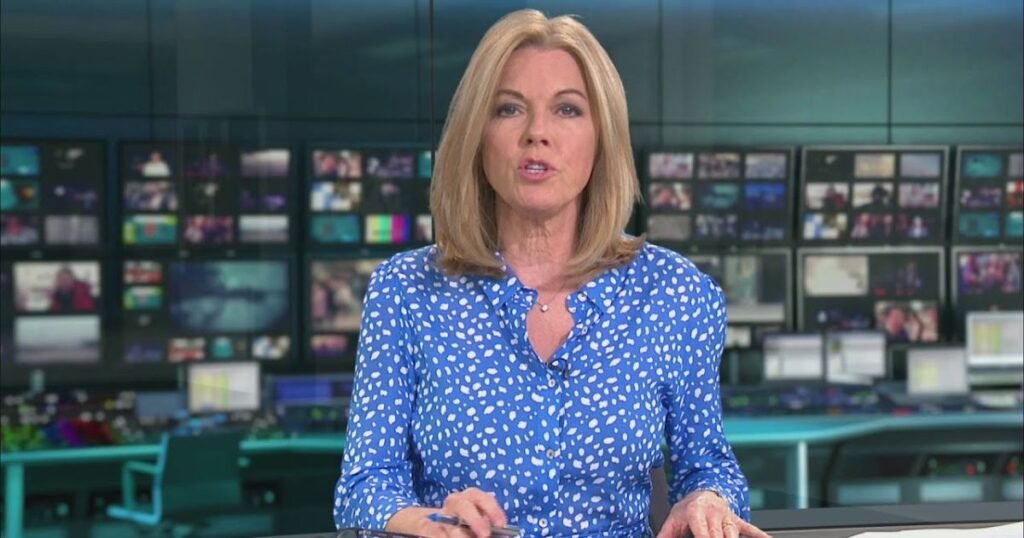
Health is a private matter for everyone, including public figures. Even though Mary Nightingale appears regularly on television, she is still entitled to privacy regarding personal matters. This is especially important when discussing sensitive topics such as mary nightingale illness, where assumptions can easily become misleading.
Speculating about someone’s health without verified information can lead to unnecessary confusion. The repeated use of terms like mary nightingale illness online highlights how quickly misinformation can spread when curiosity replaces confirmed facts.
Responsible discussion means relying on trusted sources rather than rumors. Public figures deserve respect, and health-related topics should only be discussed when there is clear and verified information available.
Mary Nightingale’s Continued Professional Presence
Despite online searches such as mary nightingale illness, Mary Nightingale continues to be recognized for her long and successful career in broadcasting. She remains a respected figure in journalism, known for her professionalism and consistency on screen.
Her continued presence on television demonstrates her commitment to news reporting and public communication. While the phrase mary nightingale illness may circulate online, it does not reflect any confirmed disruption to her professional work.
Over the years, she has maintained a strong connection with viewers, which is why even small rumors tend to gain attention quickly. However, her career remains focused on delivering reliable news coverage.
How Rumors Like “Mary Nightingale Illness” Spread Online
The spread of terms like mary nightingale illness is a common example of how online information can escalate quickly. Social media platforms allow users to share opinions instantly, which can sometimes blur the line between fact and speculation.
Search engines also contribute to visibility. When many people search mary nightingale illness, the term becomes more prominent, even if there is no confirmed news behind it. This can create the false impression that something significant has happened.
In addition, some websites publish content designed to attract attention without strong evidence. These sources may repeat phrases like mary nightingale illness to generate traffic, which further spreads uncertainty among readers.
Conclusion
The widespread interest in mary nightingale illness highlights how quickly curiosity can grow around public figures, especially when they are well-known and trusted. However, there is no confirmed evidence supporting the speculation often associated with this search term.
Mary Nightingale remains a respected and established broadcaster, and much of the online discussion appears to stem from rumor rather than fact. Understanding how information spreads helps separate genuine news from assumptions. In the case of mary nightingale illness, it is clear that verified information should always take priority over online speculation.
